
My goalkeeper was terrified. After just one year of 9v9 football she was facing the prospect of 11v11 matches and we all know what that means…bigger pitches but…crucially for her…bigger goals!
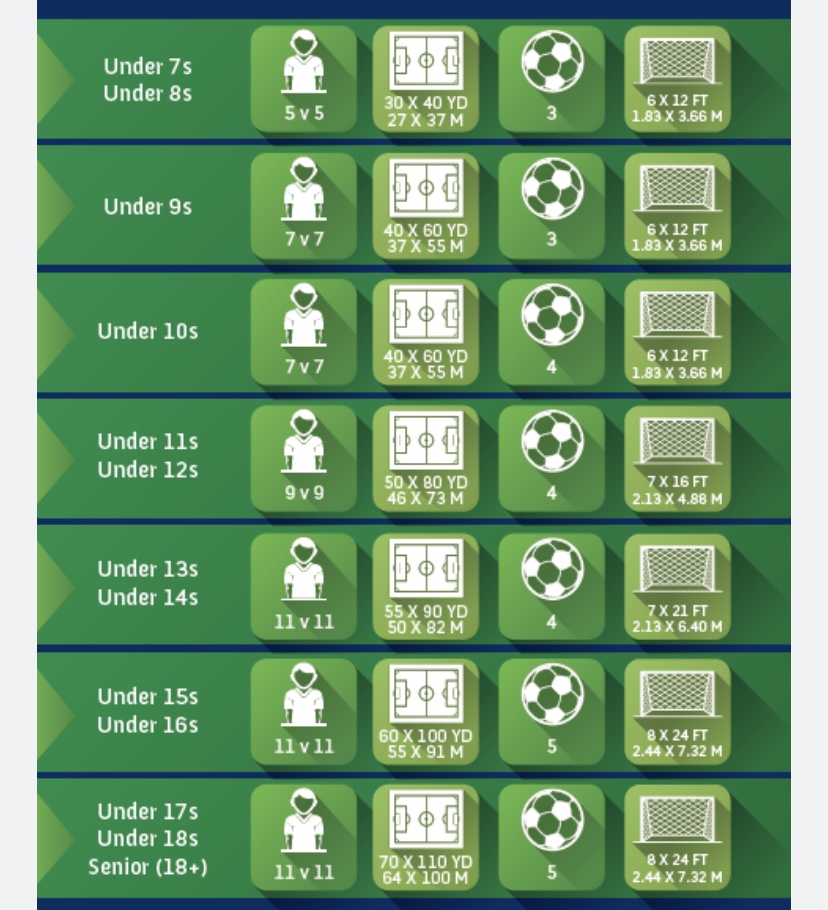
Why only one year at 9v9 you cry? Should it not have been two? Well it would have been until the Bristol Girls league (the competition our team plays in) decided that it should follow FA guidance to start 11v11 football for girls at U13s instead of U12s. This decision was met with outrage by some coaches at other clubs but excitement by others. (Incidentally bandings for starting 9v9 and 7v7 were also moved up in line with the boys leagues).
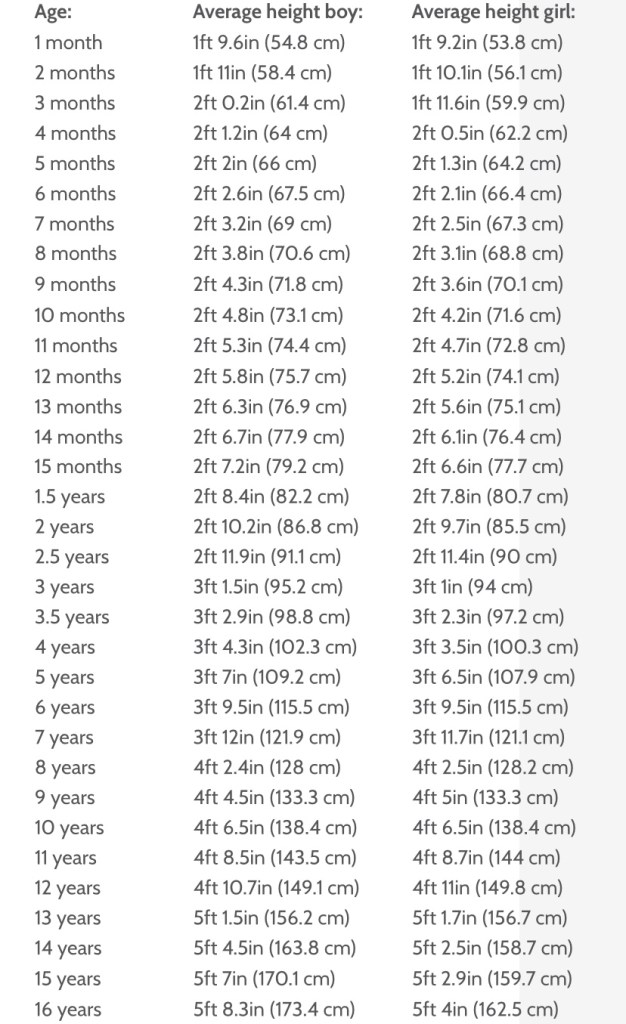
Many girls leagues are a “year behind” in terms of when age groups move up to the bigger formats but why is this? After all the FA does not distinguish between genders. Is it purely misogyny that means many girls leagues have girls the same as boys playing in smaller games? There is an argument to support the difference that focuses on girls being shorter, less strong and slower than boys but many others would counter that it does not matter when it’s girls v girls – after all it’s relative!
And…guess what…on average girls are actually TALLER than boys from the ages of 11-13 anyway!
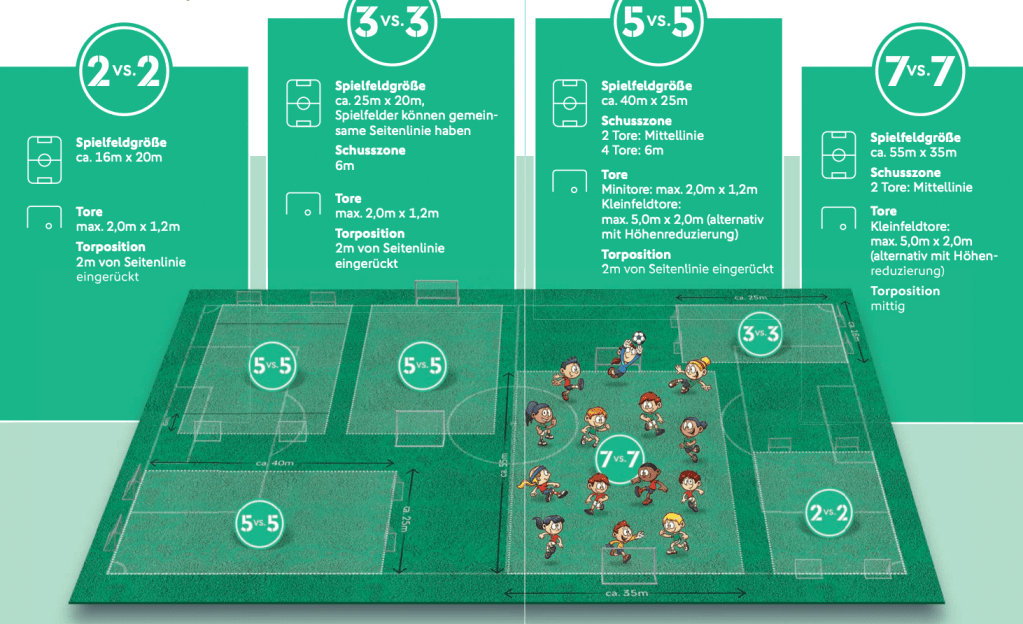
There is another argument that ALL youth football, girls and boys, should be playing smaller-sided games when they are younger – this is certainly the model favoured in Germany. The pros are obvious – smaller pitches + less players = more 1v1 interactions when players learn how to evade or repel, honing control, speed and game knowhow. However, even in Germany, by the time youth players are 13/14 they are matching England by mandating 11v11 football.
But…back to the exact focus of this post…how did my goalkeeper (and other players for that matter) cope with the demands of a bigger pitch with bigger goals after only 12 months of playing 9v9 football?
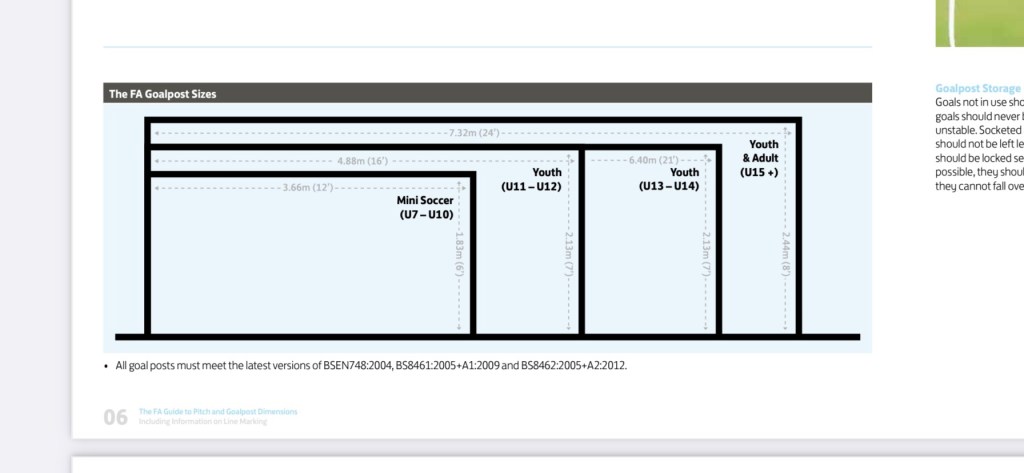
The goals are bigger – there is no getting around that but…are they really that much bigger? Assuming clubs switch to the full size adult goals (who can afford the interim youth size after all?!) the height increases from 7ft to 8ft and the width from 16ft to 24ft. The height difference you would think is a minimal change but for a 5ft keeper able to reach up to 6ft that is a DOUBLING of the space above her she cannot reach. The change in width is obviously the most dramatic – an extra four foot each side to cover. The overall goal size increases from 112 sq ft to 192 sq ft, a whopping 71% increase in surface area. A lot to cover so surely a lot more goals went in right?…we’ll come back to that later.
Obviously the other factor changing is the size of the pitch. In this instance we do have a “youth sized” 11v11 pitch used for the younger 11v11 age groups at our club but even that is 23% longer and 17% wider and nearly 27% more surface area. So the girls are going to get puffed out right? Well no as there are 22 players don’t forget on the pitch instead of 18 meaning each player on average has 236 sq metres compared to 228 sq metres in a 9v9 game. (Yeah I switched from feet to metres)

However there is no denying more space is available at times due to players following the ball – and that is not an unfair slight towards youth football nor girls football – it happens in the adult game too – and therefore, yes, with the 11v11 game and the more space it provides, we do see faster girls benefitting from the extra space when it is created.
But – back to what happened with our team – did the bigger goalframes mean “rugby scores” in each game with all shots flying into the net?…Basically…no!
The stats…In our last 9v9 season I analysed 18 games(W11 D3 L2) and in our first 11v11 season I studied 15 matches(W14 D0 L1)
We had a slightly better season with win% in these samples up from 73% to 93% but goals scored was up by a higher degree – 64% from 2.8 per game to 4.6 per game. However our goals against DROPPED from 1.3 to 1.0 a game – so clearly our opponents did not benefit from shooting towards bigger goals against us at least.
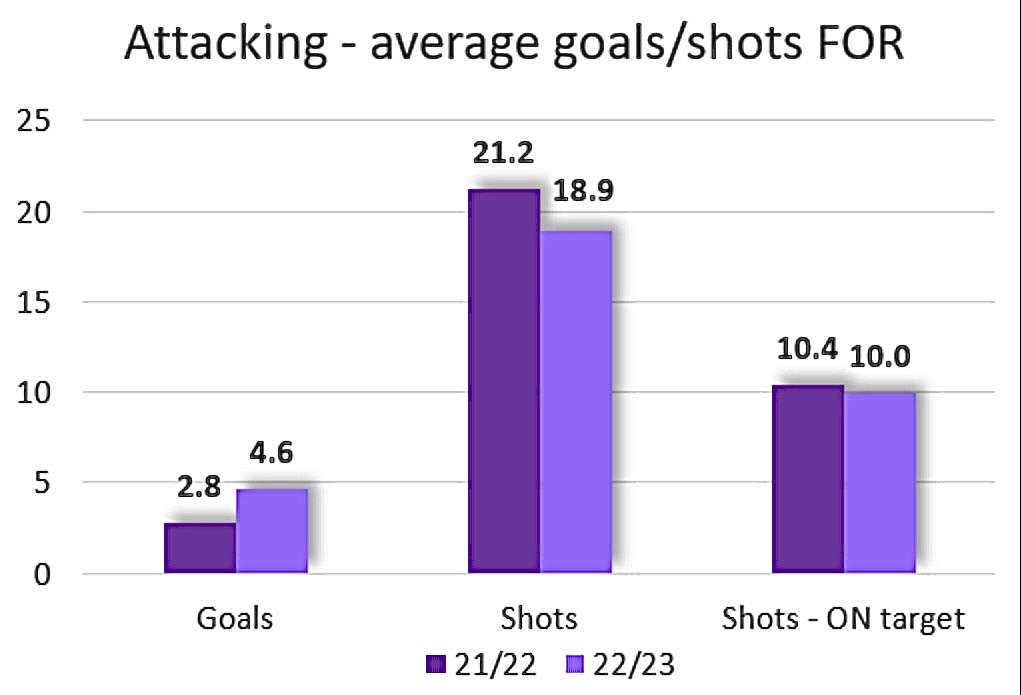
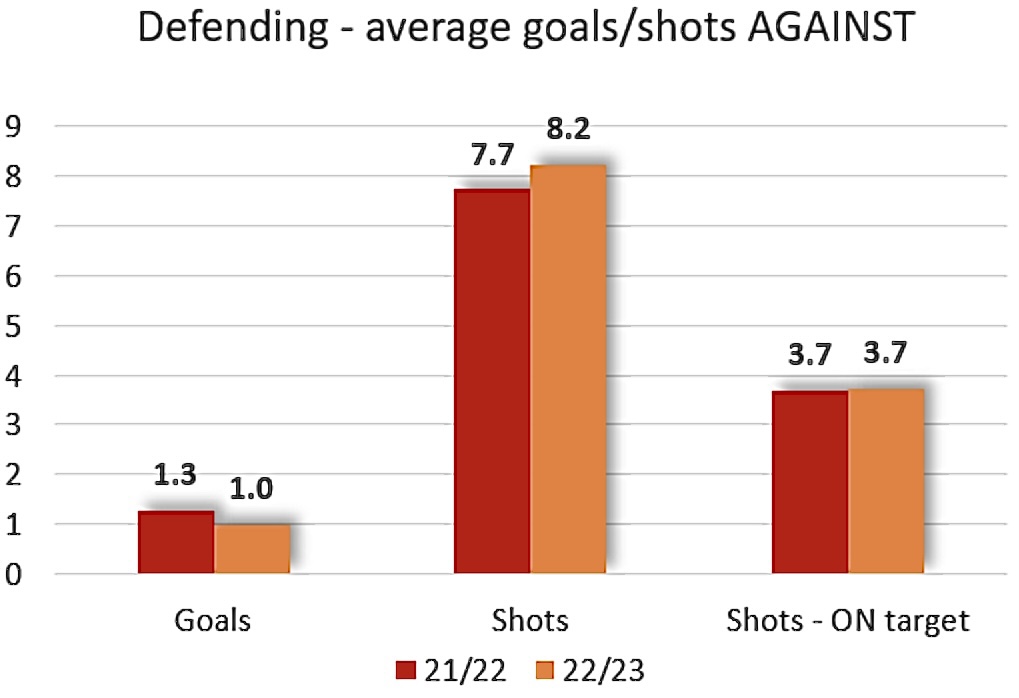
So why did we score more goals? Well interestingly it was not due to more shots being taken. In fact we averaged FEWER shots in games – 18.9 compared to 21.2 and our shots on target also reduced from 10.4 to 10.0. (For our opponents shots did increase marginally from 7.7 to 8.2 and those on target remained the same at 3.7).
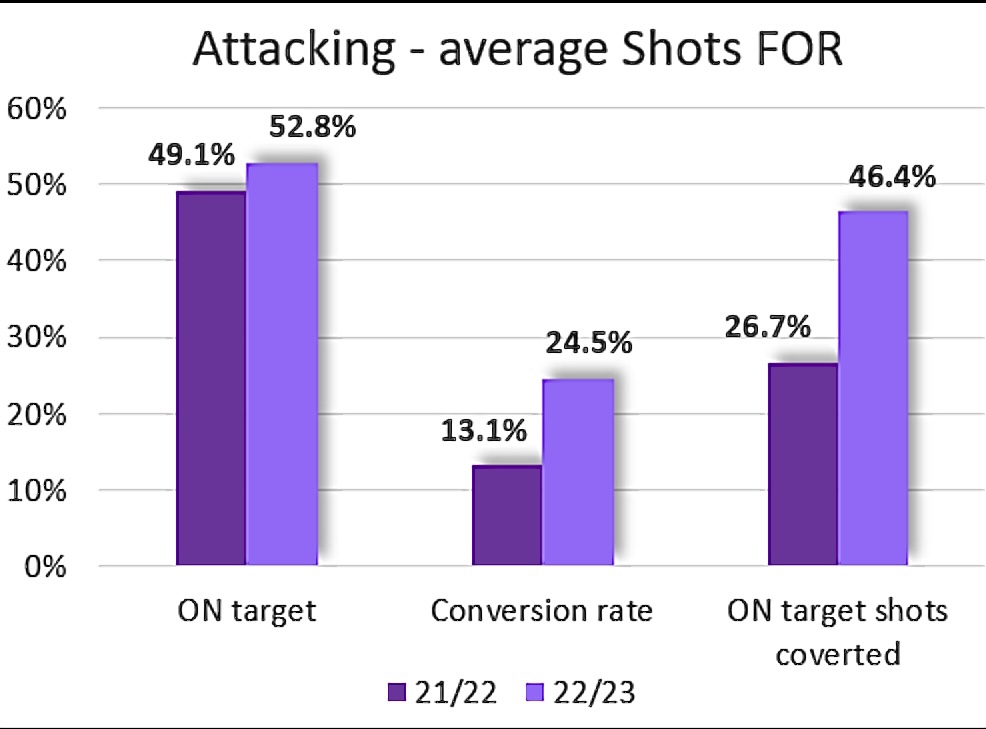
More shots on target then must be the key? Again, no. A 2.9% increase in shots on target in pretty marginal stuff although interestingly our opponents fired LESS on target than before. Both stats are surprising considering the aforementioned 71% increase in surface area to aim at!
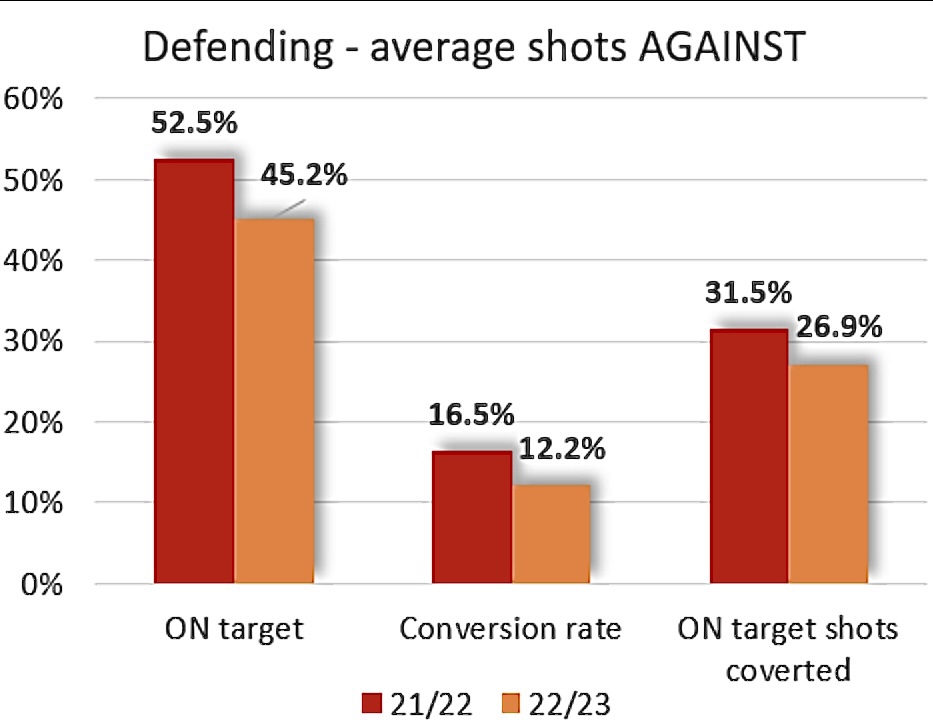
Conversion rates seem to hold the answer. For us we nearly DOUBLED our shots ending in the back of the net from 13.1% to 24.5% and on target shots converted saw a similar rise from 26.7% to 46.4%. As for our opponents – shots on target, conversion rate and on target shots converted all dropped in similar ratios to their goals scored. That wraps up that then!
But why were we able to seemingly take advantage of the bigger goals when our opponents generally could not?
For us it’s tempting to say it was due to a massive improvement in our main striker who bagged 32 goals in the 15 game sample this year compared to 14 in 18 in the previous season. And yes her conversion rate did increase from 23% to 40% but looking at all seven of our goalscorers in this sample – five increased their conversion rates so what we were doing well in front of goal was as a team.
What were our opponents doing differently to not take advantage and score more goals as we did? Perhaps the key here is pressure. We afforded them less shots per game (8 compared to our 19) and although 45% of these were on target(not drastically lower than our 53%) perhaps more of their shots were from further out, not as fast or placed too near our keeper. Of course I also am tempted to give a huge amount of credit to our goalkeeper and defence who will be the first to say that the low number of ticks in the GA column was down to them and I’d certainly consider that a major factor. It’s one of the great shames of football that it’s easier to scribble down a shot and a players name than to note every tackle, save and block that could have been equally important!
That closes a chapter on this massive change for this season but we face another of a different kind in 2023/24…moving up to an infamously strong division A! How will our stats fair then?!…
 Exiled in Stats - A TerraStatman blog
Leave a comment